

Winter shows up differently depending on where you stand.
In some places, snow blankets streets and sidewalks for months at a time. In others, cold snaps arrive overnight, turning busy corridors quiet and slick by morning. From snow-covered cities like Montreal to colder winter days in Washington, DC — and everywhere in between — public spaces are tested by the season in different ways.
Yet one thing remains constant: life doesn’t stop.
People still move through cities and neighborhoods. Crews still work to keep streets clear and spaces safe. And waste still needs to be managed — contained, controlled, and kept out of reach from pests seeking food and warmth.
Winter-ready infrastructure plays a quiet but critical role in all of it — helping communities stay clean, resilient, and welcoming through every phase of the season.
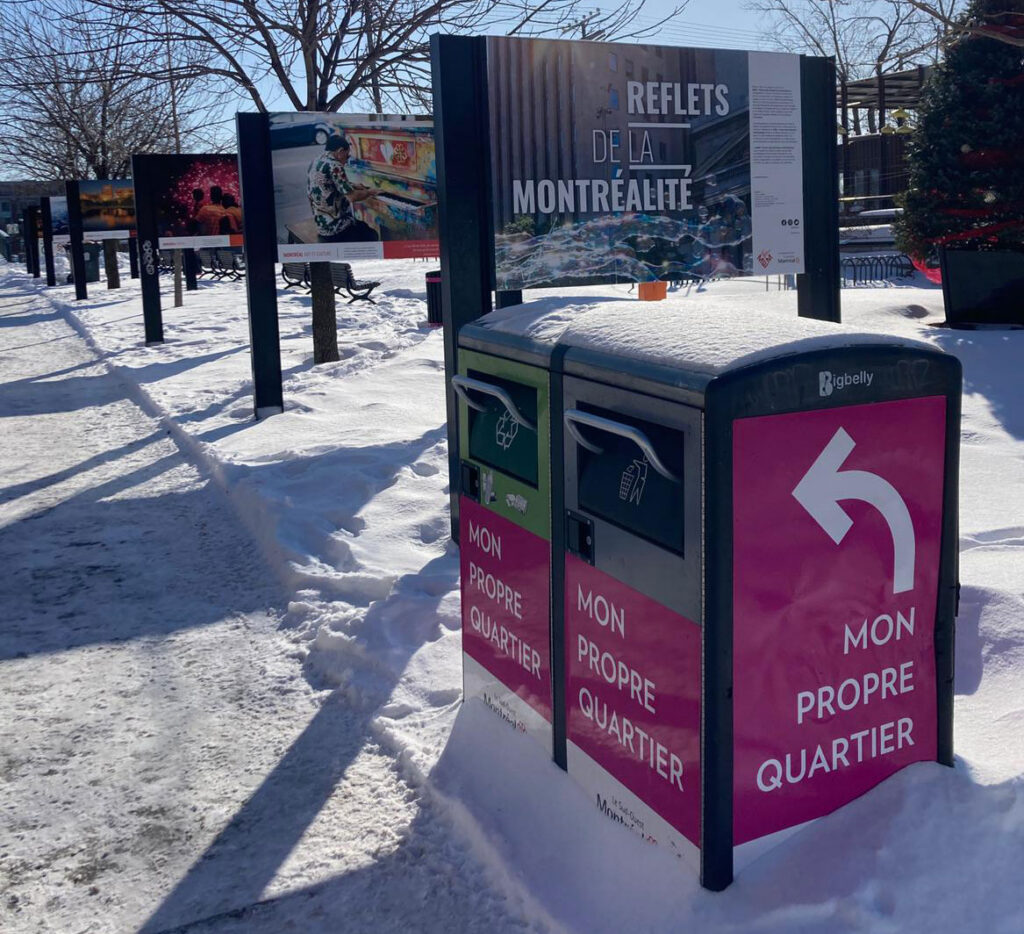
The Real Winter Challenges Communities Face
Winter isn’t just about snow. It brings compounding challenges that impact public spaces every day:
- Overflowing waste when snow and ice interfere with container access
- Increased litter as bags tear or collections are delayed
- Pest and rodent activity as animals seek food and warmth
- Strained public works crews balancing snow removal, safety, and cleanup
- Negative public perception when streets and sidewalks feel unmanaged
Left unaddressed, these issues increase costs, stretch resources, and make winter harder than it needs to be.
Built for Winter — Designed to Address Real Pain Points
Bigbelly systems are designed with winter realities in mind, combining fully enclosed containment with solar-powered smart compaction to actively reduce seasonal challenges.
Overflow & Exposed Waste
How it’s addressed:
- Fully enclosed containers help keep waste secure during snow and wind
- Solar-powered smart compaction increases capacity and reduces overflow — even when collections are delayed by weather
Pest & Rat Activity
How it’s addressed:
- Secure, enclosed systems limit access to food waste
- Reduced overflow means fewer attractants for rodents and pests
Limited Crew Capacity
How it’s addressed:
- Smart compaction reduces collection frequency, freeing crews to focus on snow removal and safety
- Less reactive cleanup after storms
Public Space Experience
How it’s addressed:
- Cleaner, more orderly streets and sidewalks throughout winter
- Public spaces that feel cared for, even in harsh, cold conditions
Supporting Crews When Winter Stretches Resources Thin
Winter places enormous demands on public works and facilities teams. Snow removal, ice control, and emergency response take priority — leaving little room for additional cleanup or pest complaints.
By combining solar-powered smart compaction with secure, enclosed containment, winter-ready systems help teams:
- Lower service calls and resident complaints
- Reduce post-storm cleanup demands
- Maintain consistency across public spaces, despite unpredictable conditions
That reliability makes winter operations more manageable — and more predictable.
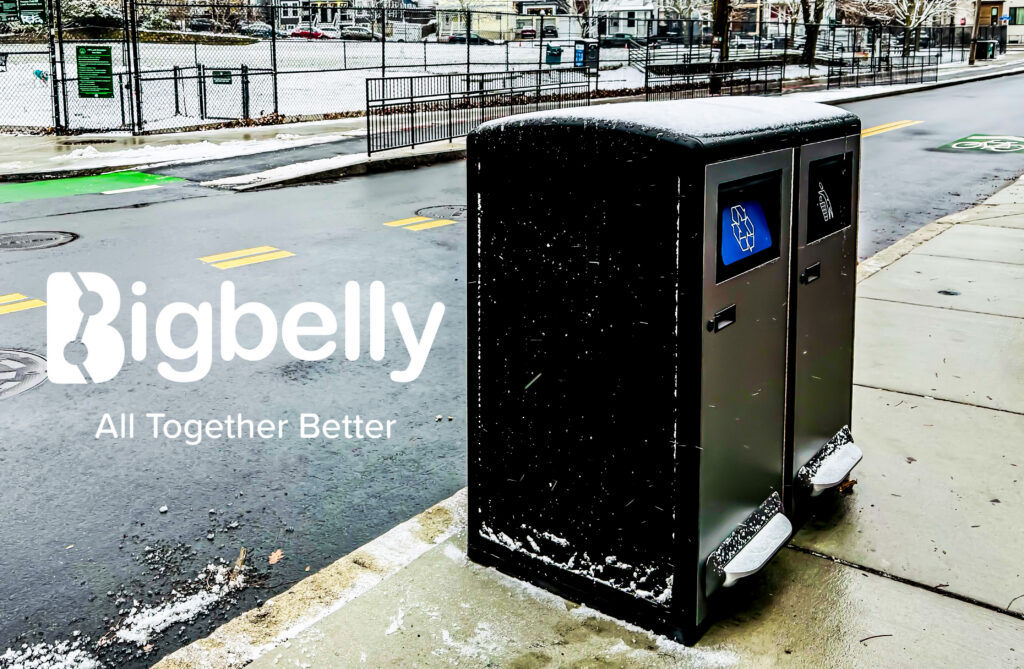
From Storm Response to Everyday Life
After the snow settles, the rhythm of daily life returns — even when the cold lingers.
Traffic moves. Sidewalks fill. People head to work, school, transit, shops, and parks.
Winter-ready infrastructure supports this transition quietly in the background, helping public spaces remain clean, functional, and welcoming — without adding extra work for crews or frustration for communities.
Because winter doesn’t pause life — and neither should the systems that support it.
Cleaner Spaces, Better Places — All Winter Long
In cities and neighborhoods everywhere, winter brings different conditions — but shared expectations.
Communities expect public spaces to stay clean. Crews need infrastructure that works with them, not against them. And residents deserve environments that feel safe, cared for, and welcoming — even in the coldest months.
By investing in solar-powered smart compaction and winter-ready, pest-resistant waste systems, communities can address winter pain points head-on while creating cleaner spaces and better places all season long.
That’s how communities move through winter — all together, better. 💚